


January 28-31, 2027
Tacoma Dome

Blog & Social
Outdoor Gardening – Dealing with Local Garden Pests and Wildlife
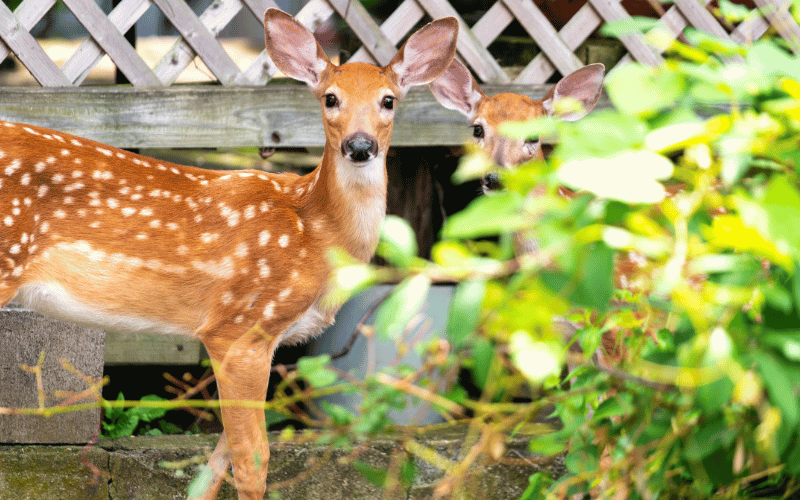
Outdoor gardening comes with its fair share of visitors—some welcome, others less so. Woodland creatures and other local wildlife can be adorable - when they aren’t chomping on your carefully planted tomatoes and carrots. While it can be frustrating to see deer nibbling on your vegetables or squirrels stealing your cucumbers, it’s important to remember that most wildlife is simply doing what it takes to survive. Many of these garden critters also play an important role in our ecosystems, from pollinating plants to keeping other garden pests in check. By approaching garden protection with safe and ethical strategies, you not only reduce unnecessary stress on local wildlife but also support biodiversity right in your own backyard garden. As any outdoor gardening enthusiast knows, sometimes, your beautiful backyard goes under attack by garden pets and other wildlife. Read on, for some tips in dealing with local garden pests and wildlife and get back to enjoying your outdoor gardening.
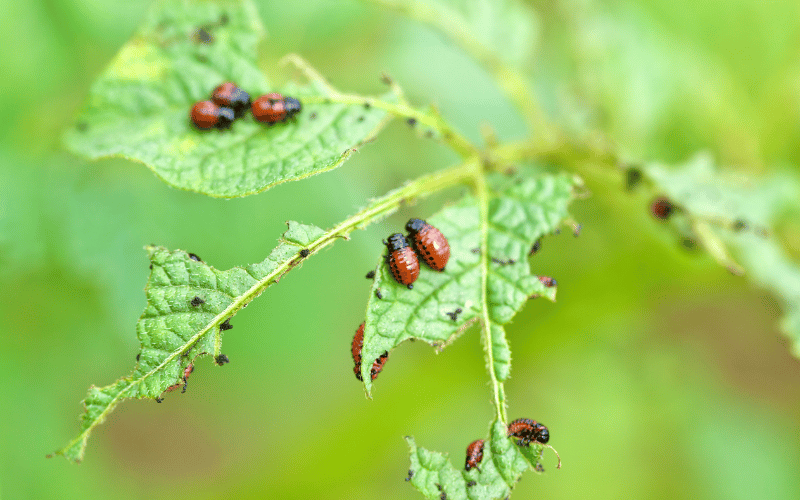
Take care of your soil
Soil is like the human body, the better care you take of it, the more resilient it is and the less it gets sick. With plants, keeping your soil healthy, watering it, and supporting it with mulch, when necessary, is one way you can make your outdoor gardens heartier and more equipped for dealing with any unexpected garden pests.
Keep them guessing
When you’re designing your backyard garden each year, consider rotating your crops. When you change your crop location, you disrupt disease cycles and confuse garden pests. If you are concerned about pigeons in your backyard garden, make sure any railings, bird houses, or other flat surfaces are greater-than-a 45-degree incline on ledges to make it harder for pigeons to land and take up shop in your backyard.
Put up physical barriers
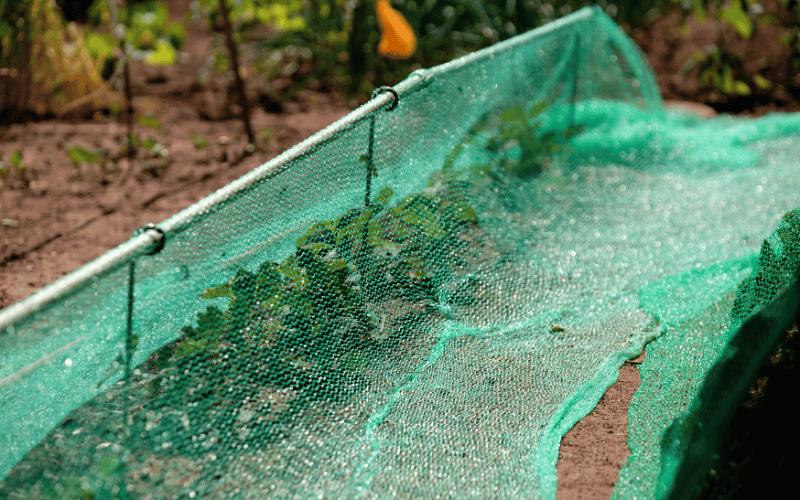
Covering your garden beds with netting, protecting your entire backyard with fencing or utilizing raised beds are three key methods you can use physical barriers to keep your backyard garden safer from garden pests. If you’ve got a serious problem, looking at galvanized metal mesh, otherwise known as hardware cloth, can be beneficial. Also, putting chicken wire underneath your perimeter fence can help keep those wascally wabbits out.
Depending on where you live, deer can also be a frequent uninvited, high-jumping guest. So, when you’re planning your backyard fencing, it’s recommended that you get 10-foot fence posts and bury them 2-feet deep to stop pests coming over the top or under the bottom.
If you live near a river or other water source, using plastic or wire trunk wrapping on trees can help keep deer, beavers or muskrats from cutting down the tree or chewing off the bark.
Finally, ensuring that you are locking up your garbage cans, compost bins and bird feeders will help reduce the chance of unwanted wildlife showing up for dinner, and outstaying their welcome.
Go on offensive
Attract some predator insects, (lacewings, ladybugs, etc.), eat a lot of harmful pests so if you plant flowers that promote those types of insects, you’ll in turn keep your garden pest population under control. You can engage in companion planting to protect some of your more consumable plants and flowers.
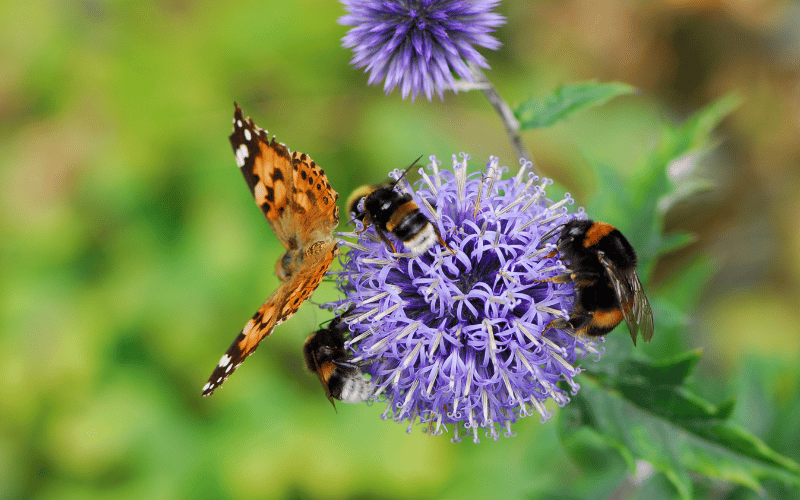
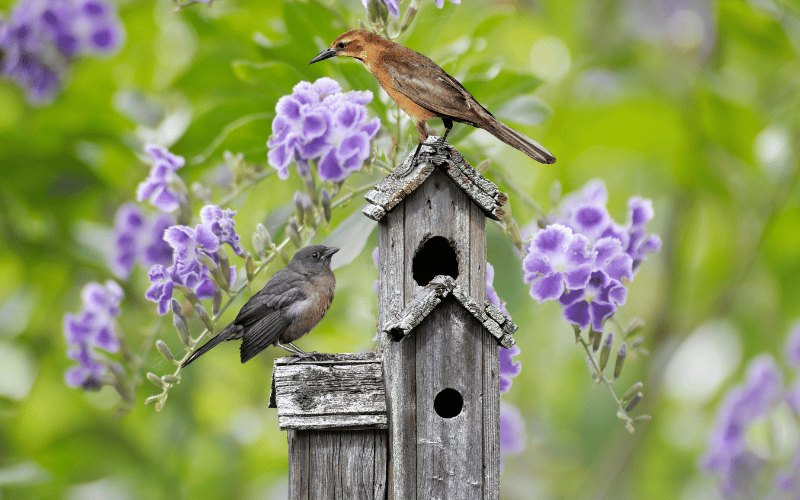
Incorporating birdhouses and bird feeders into your backyard garden is also beneficial as birds eat caterpillars, slugs and snails.
Got your heart set on a water feature? Do it! Establishing a wildlife pond can be a beautiful and practical addition to your backyard garden. A water feature will attract frogs & toads, both of which can also help control slug and snail populations.
Make it move
As an added decorative touch to your backyard garden, some gardeners like to string a line at the top of their fence and hang bright-coloured ribbon or other lightweight ornaments. As the wind blows, the movement of the ribbon in the breeze scares the deer and other wildlife, keeping them away.
Another movement method is to litter your garden with colorful pinwheels or chimes, which are said to work on most prey animals, (except for those stubborn groundhogs).

As a last-ditch effort, or in efforts to keep the garden sporadically watered, you could also consider motion detector sprinklers which may work on cats and other small garden pests and mammals.
Utilize a decoy
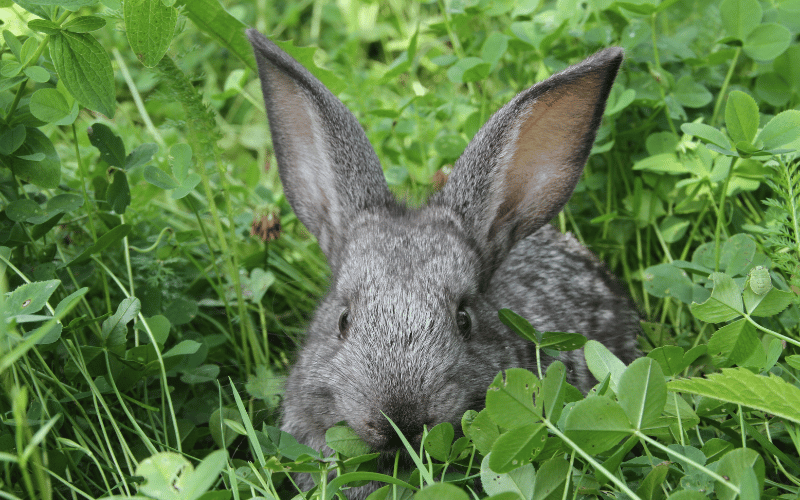
Sometimes, if you can’t beat ‘em, your best bet is to distract them from the most important parts of your outdoor garden. By planting some sacrificial clover off to the side, you may keep hungry rabbits away from your prized lettuce.
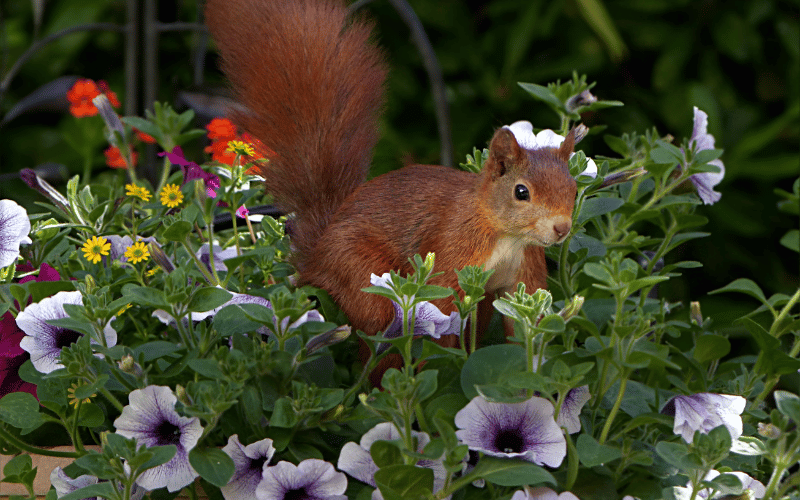
Additionally, providing a water source by putting out a dish of water for the squirrels could reduce their consumption of water-retaining vegetables, like cucumbers, that they steal to quench their thirst.
Natural repellants
Just like us, garden pests and wildlife are wired to love some smells and avoid other nasty ones. Some scents can confuse pests and other wildlife that rely on their sense of smell to navigate back home, some signal danger, and some indicate a lack of food sources nearby.
In terms of using natural scents, or companion planting in your garden to deter garden pests, you have a lot of different options available to you. You could go out and purchase neem oil or insecticidal soaps, you could soak moth balls or cotton balls with eucalyptus or tea tree oil and place strategically around the garden, you could buy and sprinkle bloodmeal around your backyard garden, or you could purchase commercial goose repellant (generally made from a non-toxic grape extract).
Strong-smelling plants like garlic, onion, and cinnamon can naturally repel pests and animals, with some even offering extra anti-fungal or antibacterial benefits. For example, moles don’t like hyacinths so planting a bundle those can help keep your outdoor garden mole-free.
Below is a list of commonly disliked scents (that are bearable and sometimes even enjoyable to humans):
Lavender – has a strong, distinct odor which can interfere with a garden pest or wildlife’s ability to navigate or sense danger.
Rosemary or Sage – as an essential oil, it contains compounds like cineole and camphor which can mess up some garden pest’s senses, which deters them from getting too close.
Thyme or lemon balm – citronellal, an essential oil within the leaves of both thyme and lemon balm, repels beetles and mosquitos, and is undesirable to many grazing wildlife.
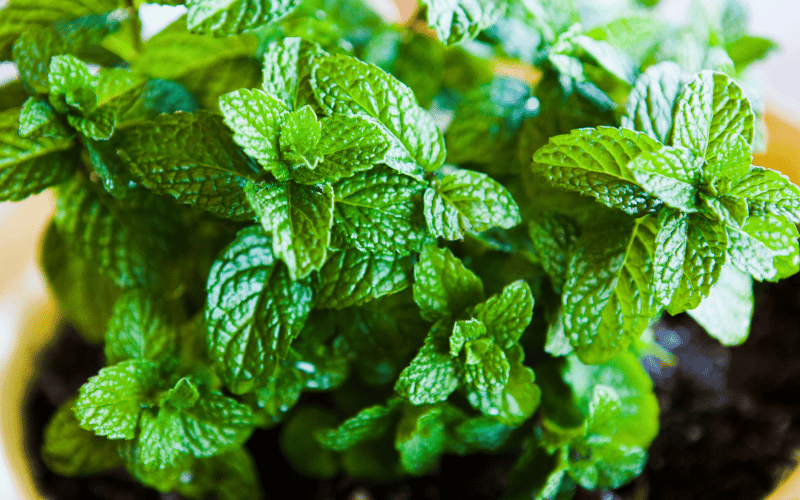
Mint – err on the side of caution with this one as mint can be invasive and take over your entire backyard garden. It should be no surprise that mint, the primary flavor of many gum products, contains both menthol and other volatile compounds which can overwhelm the senses of many backyard garden pests.
Chives – chives emit a strong, sulfur-smelling odor which is specifically unappealing to pests like snails, aphids, rabbits and Japanese Beetles. However, if you’ve got house pets, beware, as they also contain some compounds that are toxic to your beloved fur babies.
Tarragon – with licorice-like scents, tarragon deters deer and many other insects. This one also has potential to explode throughout your backyard garden, like mint.
Dealing with garden pests and wildlife doesn’t have to mean choosing between your harvest and the health of your local ecosystem. By combining soil care, smart planting, physical barriers, and natural deterrents, you can protect your garden while respecting the role wildlife plays in nature’s balance. Remember, some of the very creatures that frustrate us one day may be helping pollinate our flowers or control destructive insects. With thoughtful, humane approaches, your backyard can thrive as both a productive garden and a small haven for biodiversity.
If you’re looking to turn your boring backyard into a staycation or talk to Master Gardeners about your outdoor gardens, visit us at a show near you and talk to a local expert.